
Chronic Pain: The Opioid Dilemma
Over 51 million Americans suffer from chronic pain–many are prescribed opioids as their only option, despite high risks of addiction, dependence, and overdose.
At Alyea Therapeutics, we believe patients deserve better.
Our Low Dose Naltrexone (LDN) therapy is changing the way pain is treated without the dangers of opioids.It’s time to break free from the opioid cycle and rethink pain management.
A Safer Future: Rethinking Chronic Pain Management
More than 51 million Americans suffer from chronic pain, often with limited treatment options. For decades, opioids have been the default solution, despite their high risks of addiction, dependence, and overdose.
1 in 4 patients prescribed opioids for chronic pain develop dependence
The U.S. sees over 100,000 opioid-related deaths per year
Opioids don’t treat the root cause–they mask symptoms, leading to escalating doses
The Need for a Breakthrough Alternative
Opioids have fueled an epidemic. Alyea is changing the narrative.
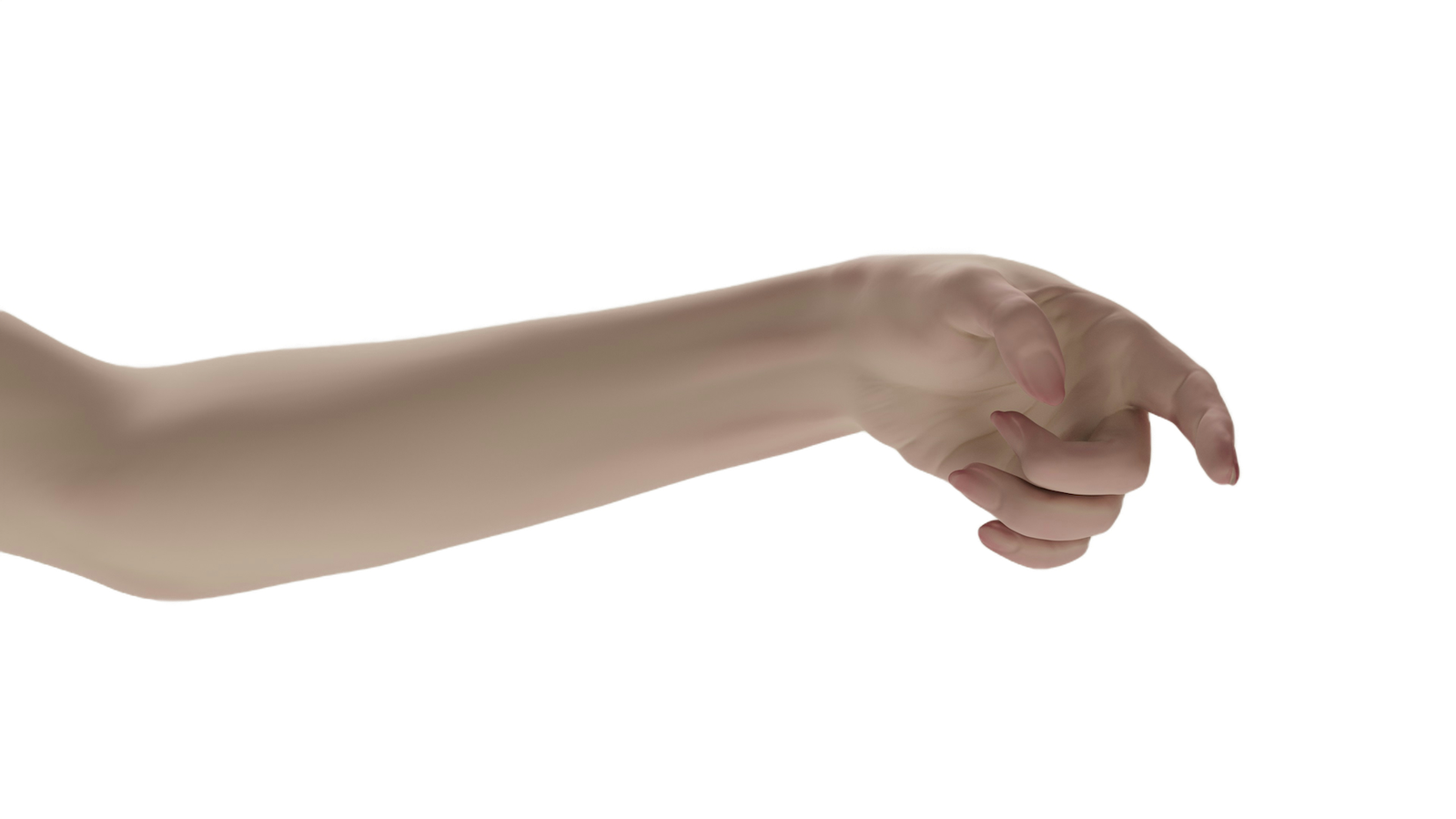
Low Dose Naltrexone (LDN) potentially offers real relief without addiction risks by targeting the source of pain—not just the symptoms in patients who suffer from Complex Regional Pain Syndrome (CRPS).
Why LDN is Different
-
Non-opioid, non-addictive: No risk of dependence or withdrawal.
-
Targets pain and inflammation at the source: Unlike opioids, which block pain signals temporarily, LDN modulates pain perception and reduces chronic inflammation.
-
Backed by science: Researched and endorsed by leading medical institutions.
How LDN Works
-
Acts on Toll-Like Receptors (TLR) to reduce chronic pain signals.
-
Increases endorphin production, boosting the body's natural pain relief.
-
Calms microglial cell activity, preventing the overreaction that leads to persistent pain.
-
Lowers nerve inflammation, reducing long-term pain.



CRPS: The Urgent Need for a Safer Treatment
CRPS is one of the most severe forms of chronic pain, often triggered by injury or surgery. It affects the nervous system, causing excruciating, persistent pain that can significantly impact mobility and quality of life.
- CRPS, a rare orphan disease, affects up to 200,000 patients in the U.S. alone.
- CRPS is among the most painful conditions known to medicine, scoring 42/50 on the McGill Pain Index, and ranking higher than childbirth (36/50) or amputation without anesthesia (40/50).
- No cure, and opioids remain the primary treatment–despite their risks.
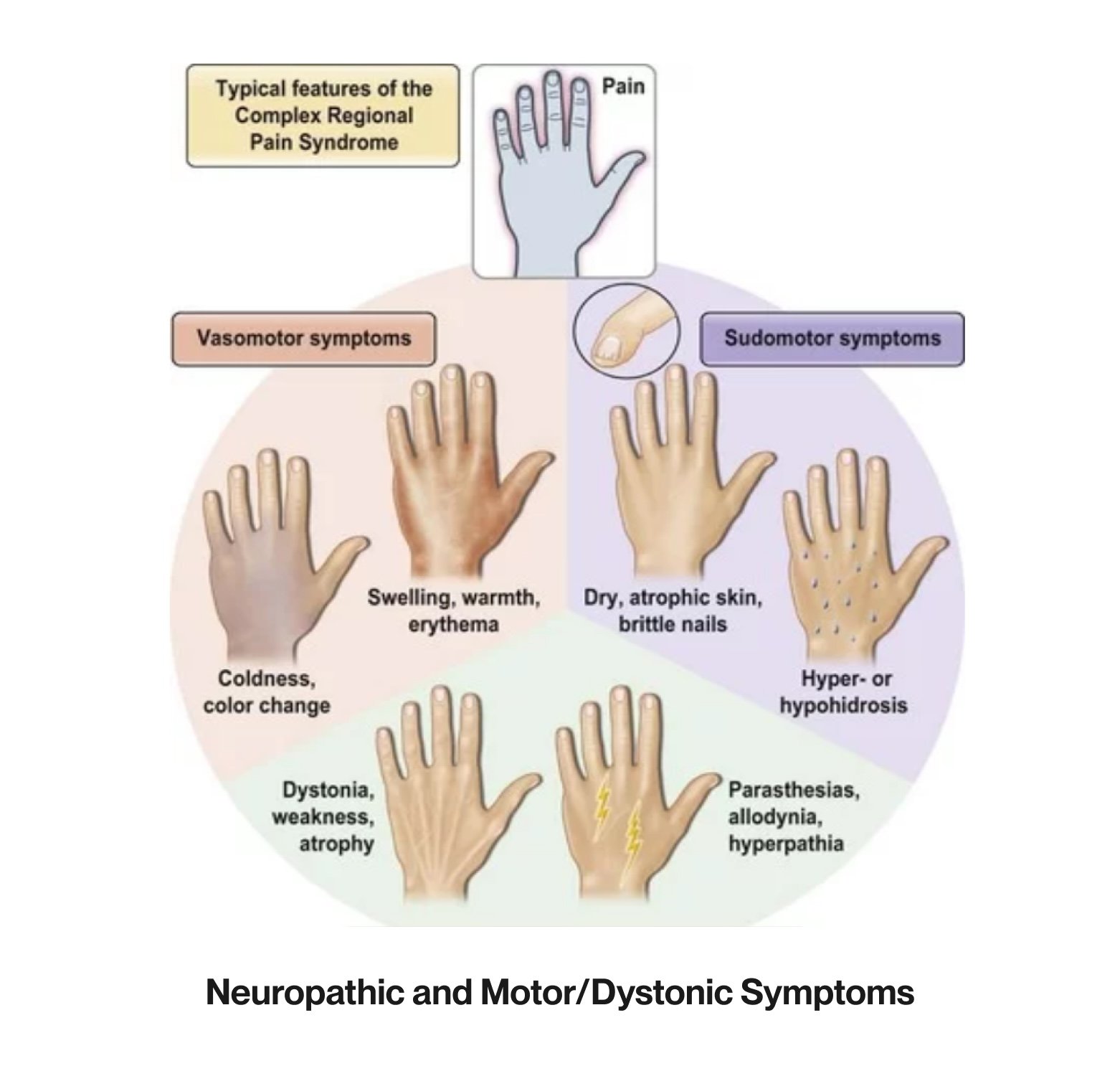
Common Symptoms of CRPS:
- Severe, burning pain that worsens over time
- Extreme sensitivity to touch, temperature, and movement
- Swelling, skin discoloration, and temperature changes in the affected area
- Muscle weakness, spasms, or joint stiffness
- Emotional impact, including anxiety, depression, and social withdrawal
Why Opioids Aren’t the Answer
For years, opioids have been a go-to treatment for CRPS, but they fail to address the root cause and come with devastating consequences:
- Addiction Risks: Patients can quickly develop dependence
- Tolerance Buildup: Increasing doses lead to diminishing effectiveness
- Severe Side Effects: Drowsiness, nausea, respiratory depression, and overdose risks, and more
Alyea’s LDN: Potentially Safer, More Effective Alternative
Low Dose Naltrexone (LDN) offers new hope for CRPS patients by:
- Modulating pain perception at the nervous system level
- Reducing chronic inflammation to stop pain at the source
- Improving mobility and function without harmful side effects
- Providing lasting relief, without the risks of opioid dependency
Alyea Solutions
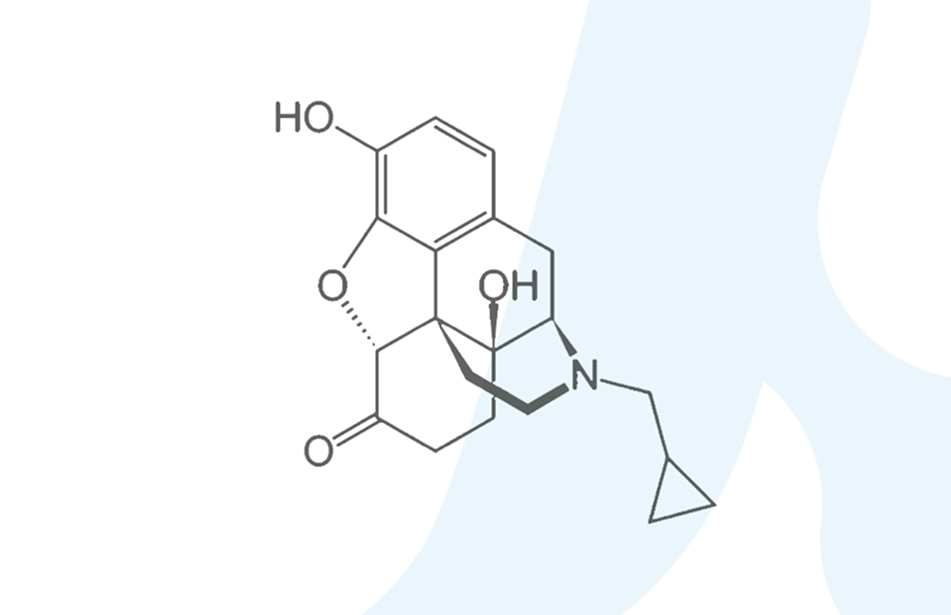
Low Dose Naltrexone
A novel, non-opioid drug with transformative potential, LDN has completed multiple clinical trials and is progressing toward regulatory approval as an Orphan Drug. Non-opioid pain medication is the Holy Grail of pharma, and LDN stands at the forefront of this movement.
Learn More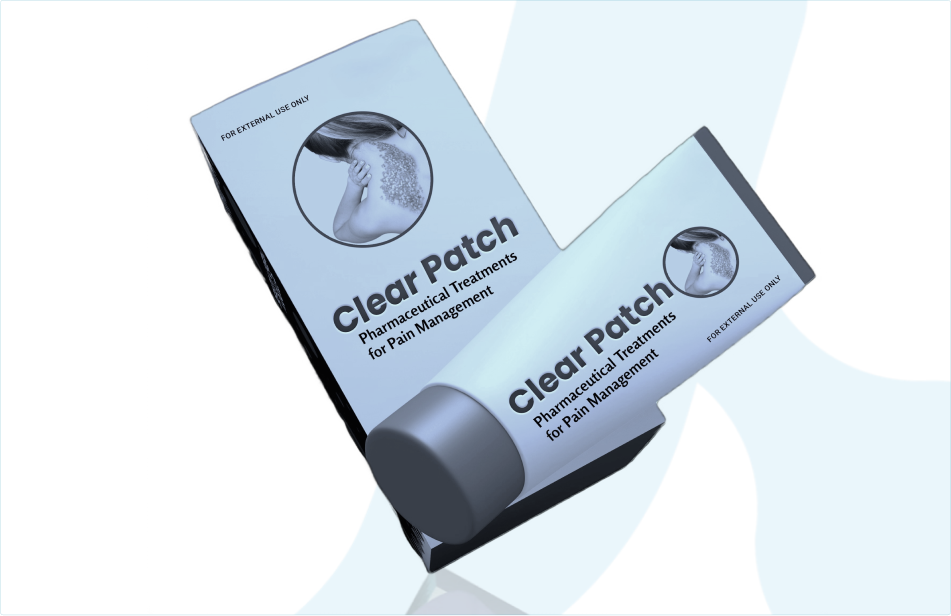
Alyea Clear Patch
An investigational topical pain relief technology designed for clear application and targeted pain relief. Pursued as both a branded formulation and an over the counter option, this innovative patch offers substantial market potential.
Learn MoreWhy Opioids Aren’t the Answer
CRPS is more than just pain–it’s a complex, life-altering condition that affects the body and mind. Patients experience a range of debilitating symptoms that disrupt daily life and limit independence.
A relentless, burning pain that worsens over time–often described as more intense than childbirth or amputation on the pain scale.
Stiffness, weakness, and swelling make simple movements like walking, dressing, or gripping objects incredibly difficult.
Extreme sensitivity to touch, temperature, and even air movement, often leading to sharp, unpredictable pain spikes.
The constant pain and uncertainty lead to high rates of anxiety, depression, and emotional distress.
From work to relationships, CRPS robs patients of their independence, making everyday tasks overwhelming.
Join the Movement Toward Safer Pain Relief
The future of pain management doesn’t involve opioids–it involves real solutions.
Get In Touch